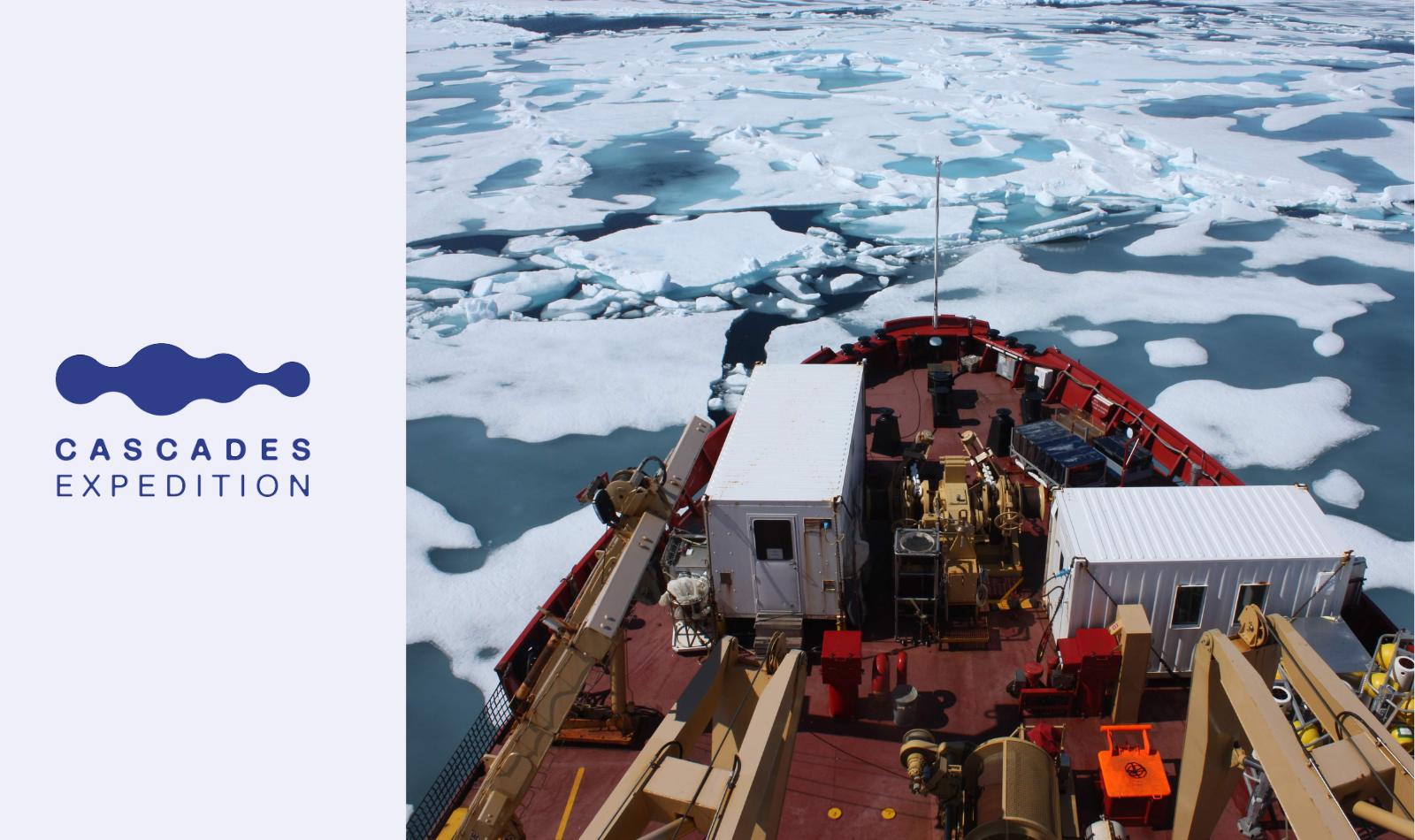

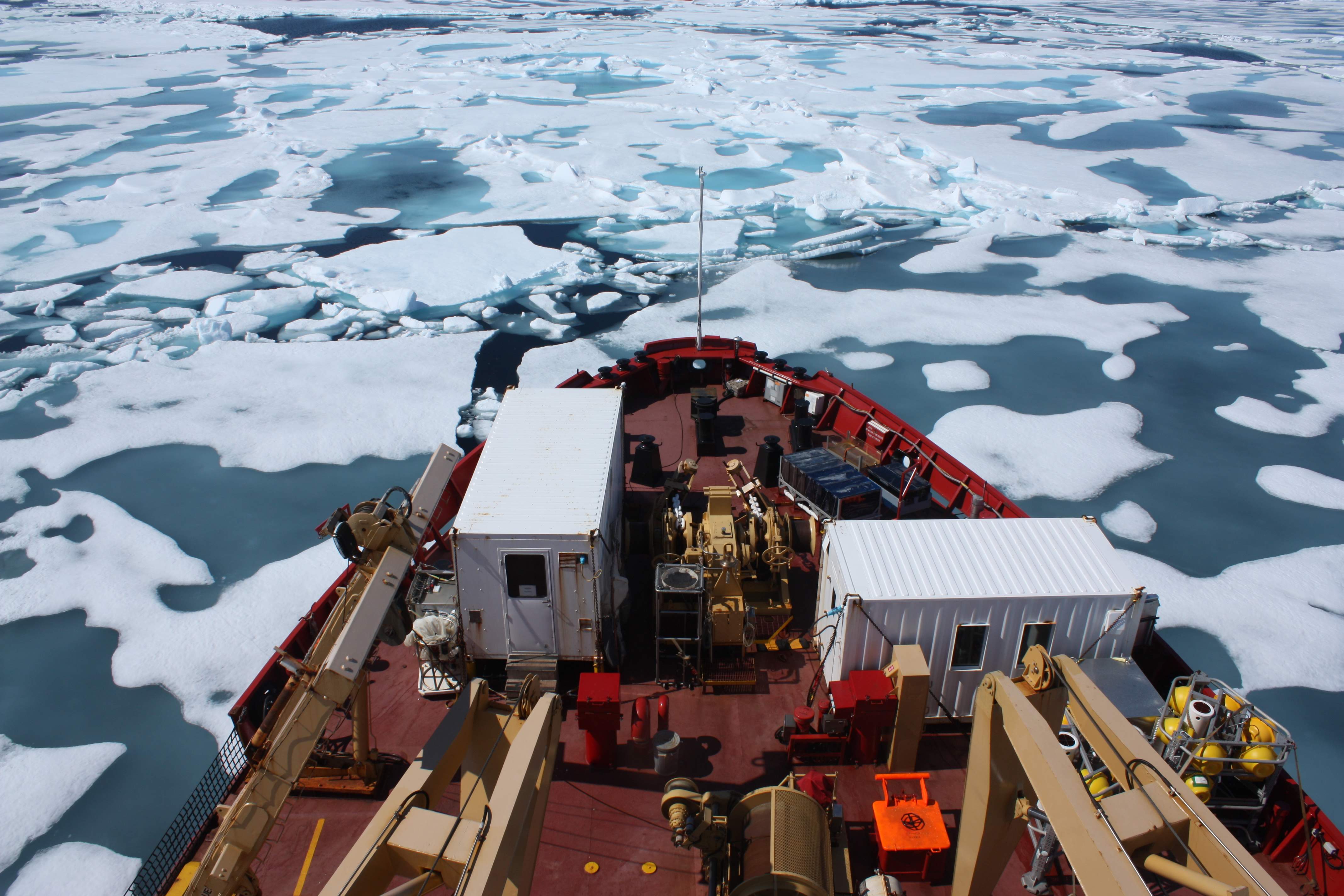
A major international scientific expedition set sail this past July 10 aboard the Canadian research icebreaker CCGS Amundsen. Coordinated by Amundsen Science in partnership with the Canadian Coast Guard, this large scale 139 day mission will continue until November 25 across several regions of the Canadian Arctic and Greenland.
News
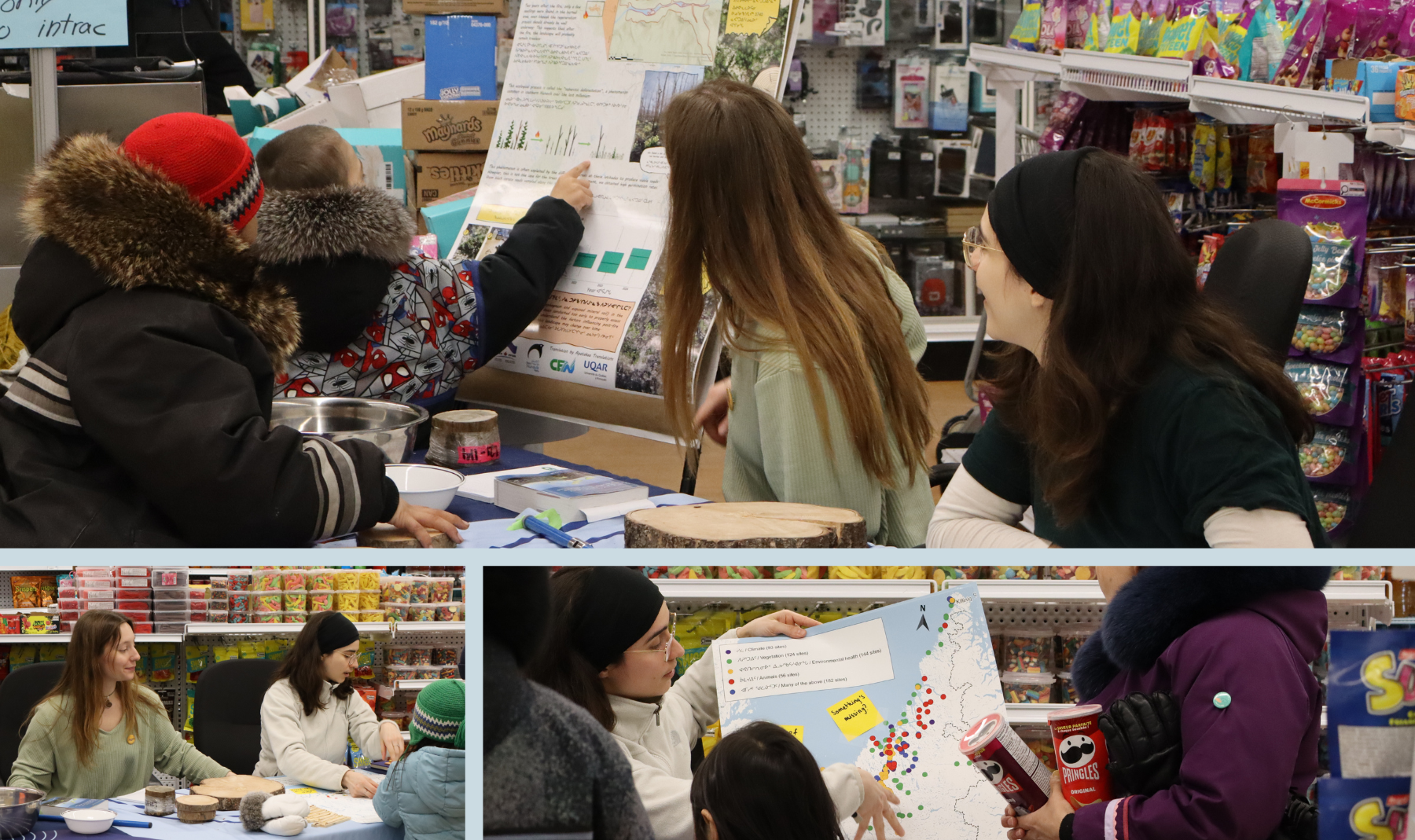
Two students who participated in the INQ’s Introduction to Northern Research and Issues (IREN) training program spent a week in the Northern Village of Kangiqsualujjuaq at the end of April to share their research results with the community. A look back at their trip and what they gained from the IREN training.
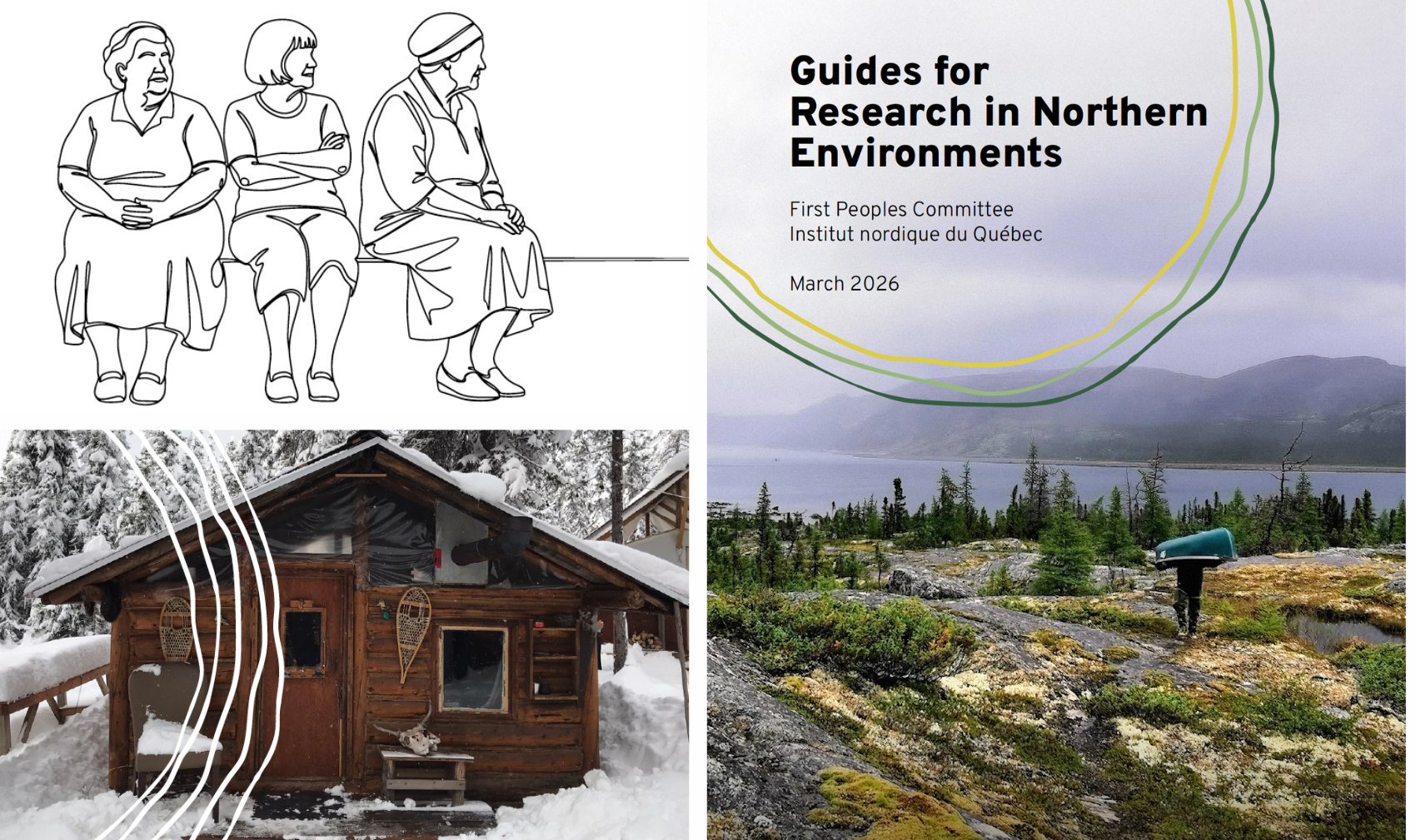
INQ’s First Peoples Committee announces the release of a fully updated and more inclusive version of the Guidelines for Research in Northern Environments. This reference tool adapts to the profound transformations currently redefining the research landscape in northern Quebec.
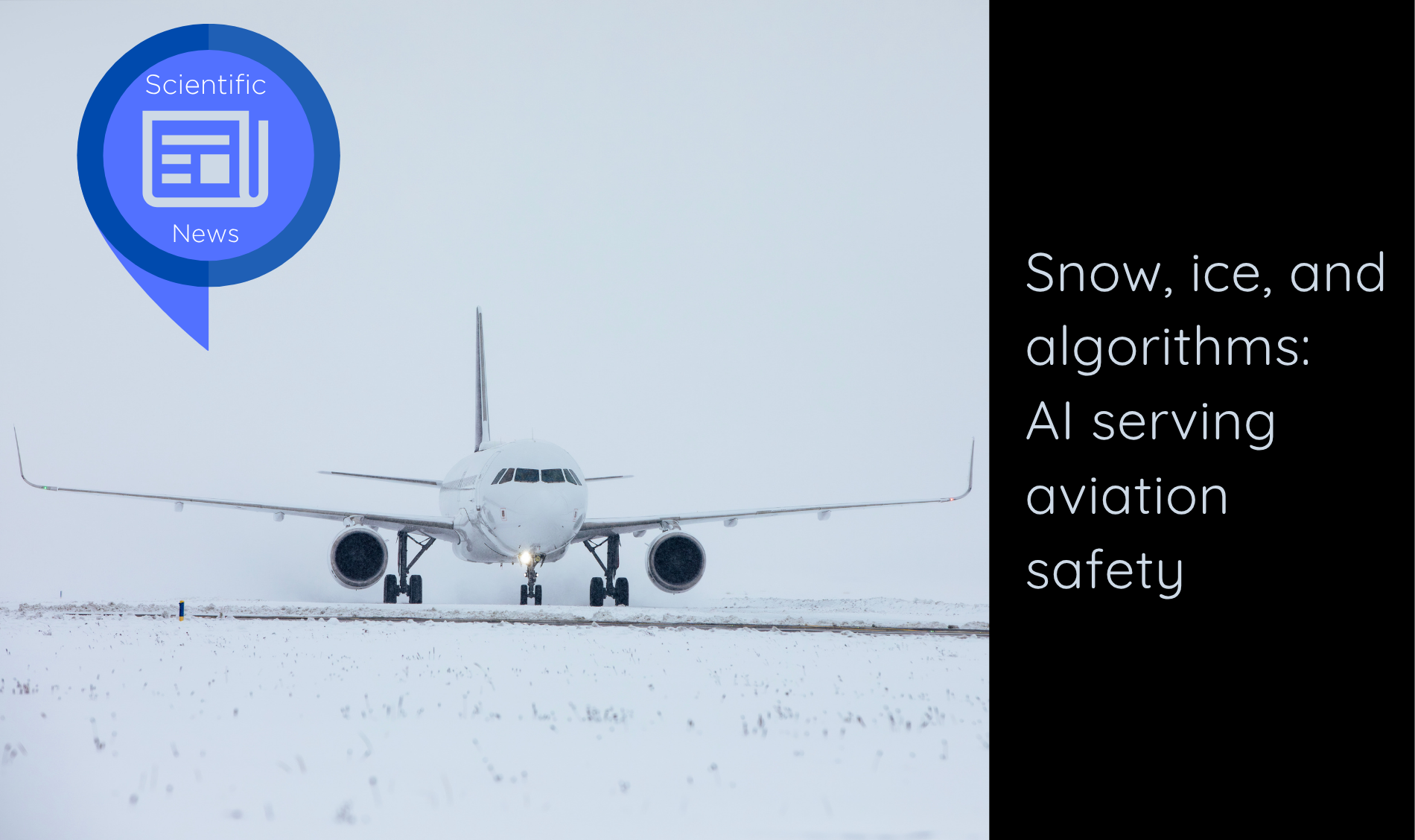
In winter, aircraft de-icing is a crucial operation, but testing fluid effectiveness against unpredictable weather proves complex and costly.
This is where artificial intelligence comes into play. A recent study led by researcher Gelareh Momen’s team demonstrates the potential of machine learning to predict the holdover time of these protective fluids.
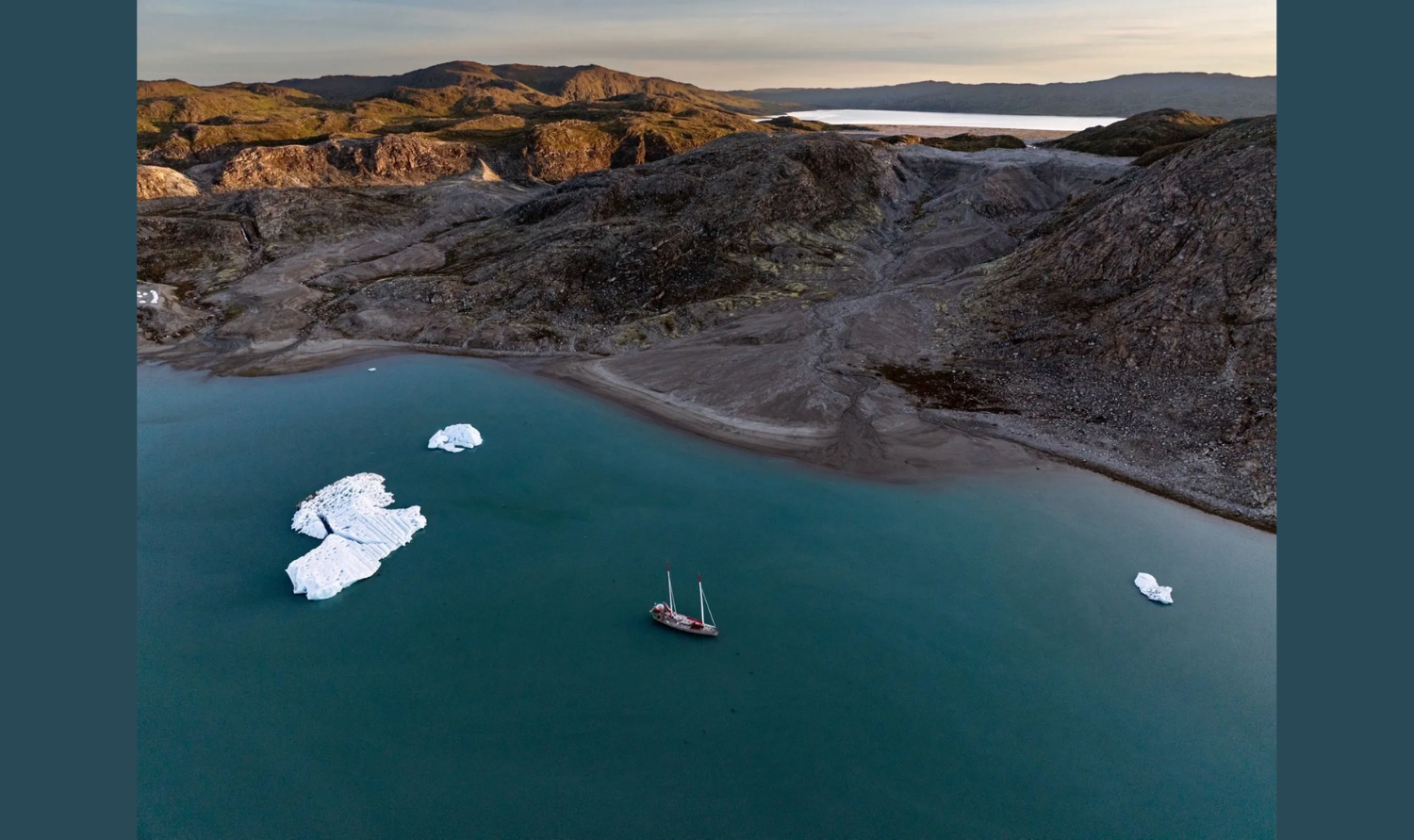
CASCADES is an international polar expedition aimed at understanding the accelerated melting of Greenland's glaciers and its impacts on the global climate. INQ is proud to be a partner in this initiative.
PAP-27 will investigate the physical, biogeochemical, ecological, and societal connectivity between the Beaufort Sea, the Canadian Arctic Archipelago, and adjacent coastal systems through coordinated international research platforms and Indigenous partnerships.
Researchers from Quebec and Canada are eligible to apply.
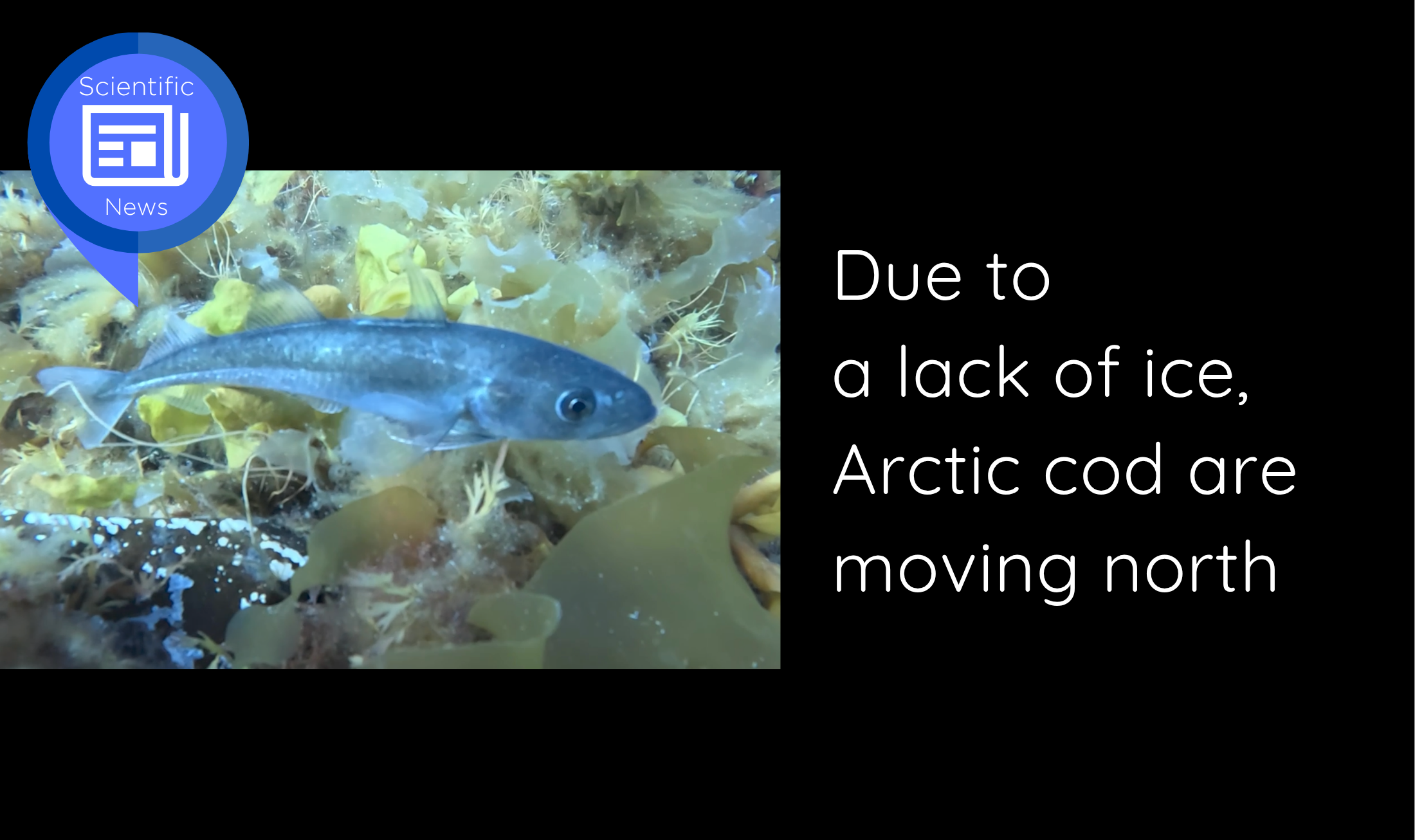
During her eight-year tenure at the Greenland Institute of Natural Resources in Nuuk, Professor Caroline Bouchard studied the population dynamics of Arctic cod. As noted in her study published in February 2026 in Arctic Science, the evidence points to one conclusion: the waters off southern Greenland are no longer suitable for the fish, and it is migrating northward.
Tuberculosis remains a persistent public health challenge in Nunavik. In 2025, the region crossed an alarming threshold, recording a record number of active cases. A study published in the Canadian Medical Association Journal examines this concerning situation.
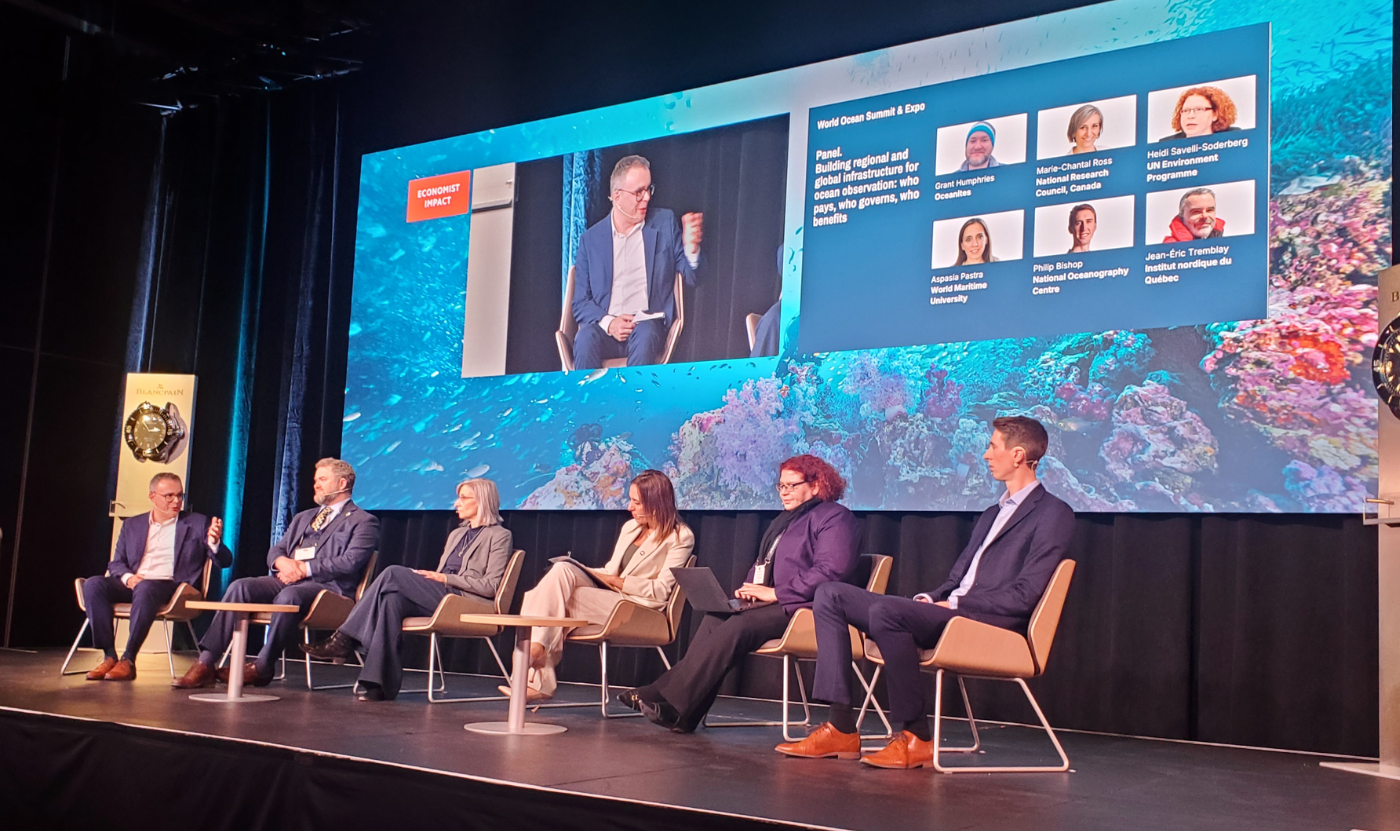
On March 4, Jean-Éric Tremblay, Scientific Director of Institut nordique du Québec (INQ), played a key role at the 13th annual World Ocean Summit held in Montreal. This world-renowned event, organized by Economist Impact, brings together policy makers, investors, scientists, and Indigenous leaders. The goal is to move from major international agreements to concrete actions to protect and sustainably exploit our oceans.
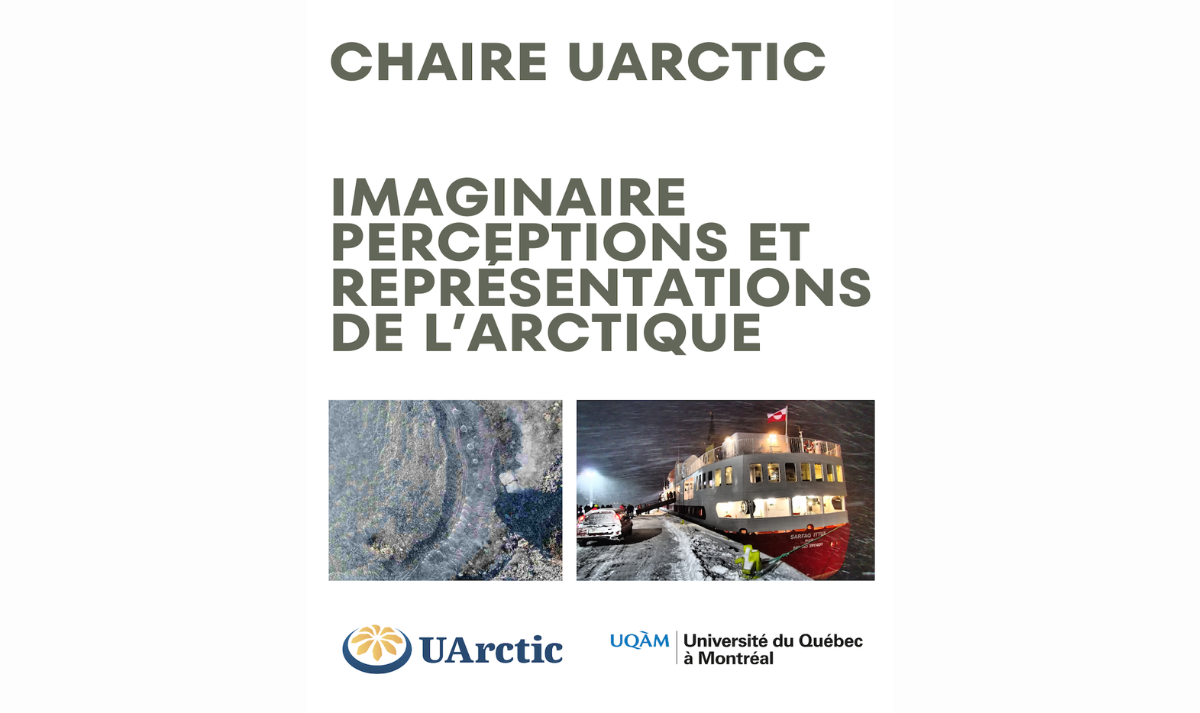
The Scientific Council of UArctic has appointed Professor Daniel Chartier as the UArctic Chair on Images, Perceptions and Mediations of the Arctic for a term ending December 31, 2029.
On February 10, 2026, the Institut nordique du Québec (INQ) participated in the Forum on Dual-Use Research, organized by the Fonds de recherche du Québec (FRQ) at the Québec City Convention Centre. This event, opened by Québec’s Chief Scientist Rémi Quirion, aimed to explore how scientific innovation can meet current geostrategic needs while stimulating the development of dual-use technologies (civilian and military).