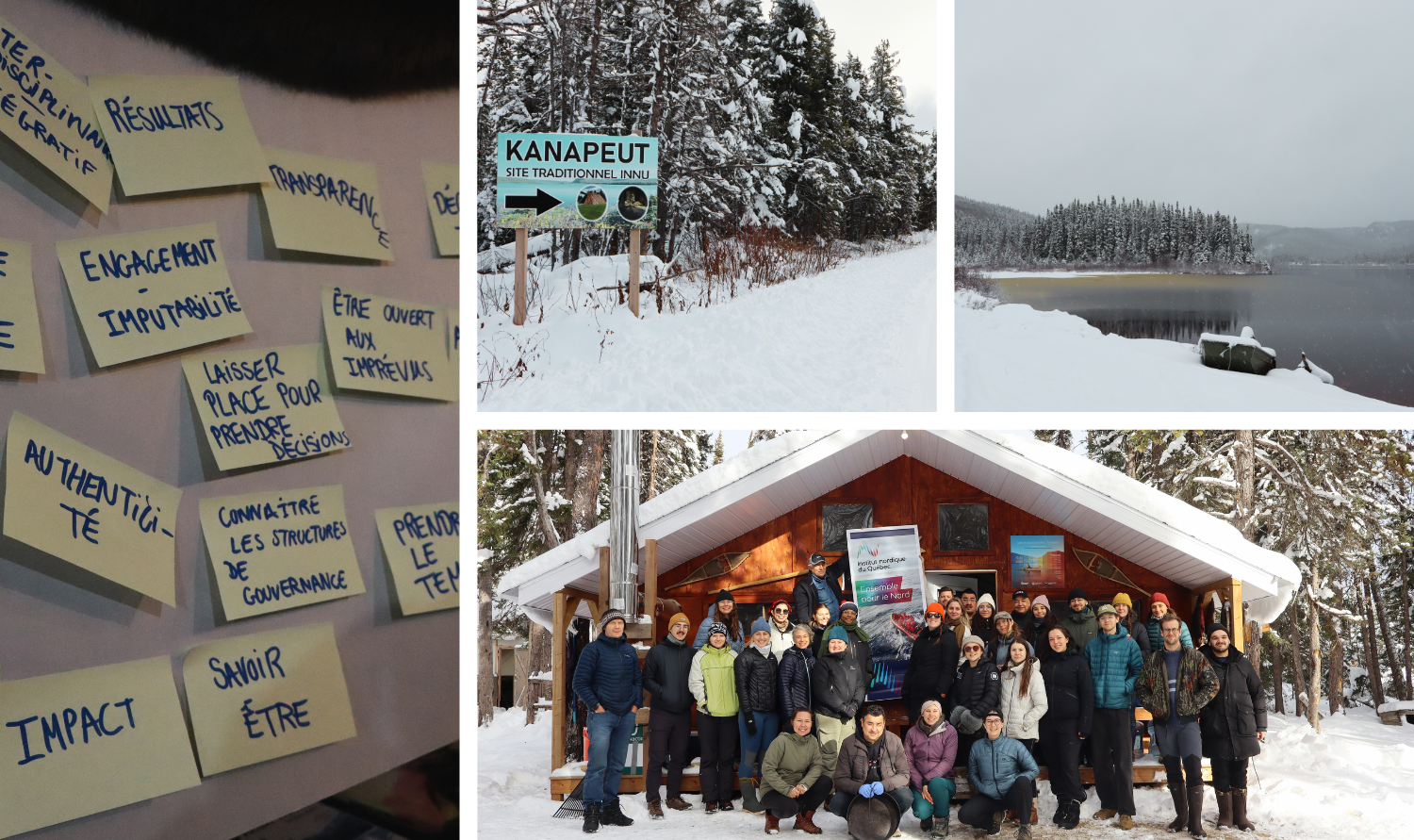
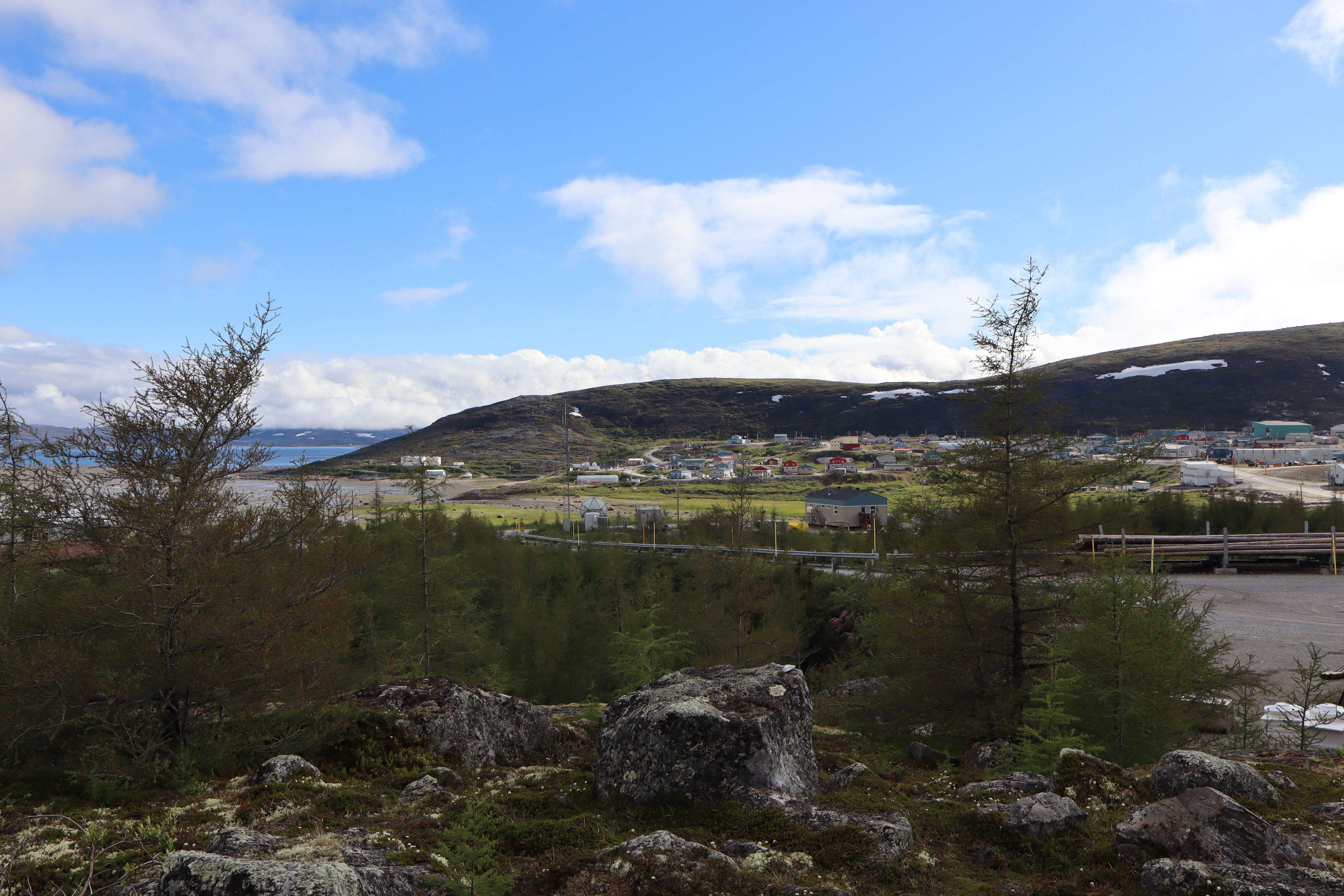
Between November 9 and 13 , the ‘Introduction to Research and Northern Issues’ (Initiation à la recherche et aux enjeux nordiques, IREN) training course was held at the traditional Innu site of Kanapeut, near Pessamit. Held every two years, this in-depth training course for graduate students took place on Indigenous territory for the very first time. Over three days, some twenty students learned about best practices in northern research.
News
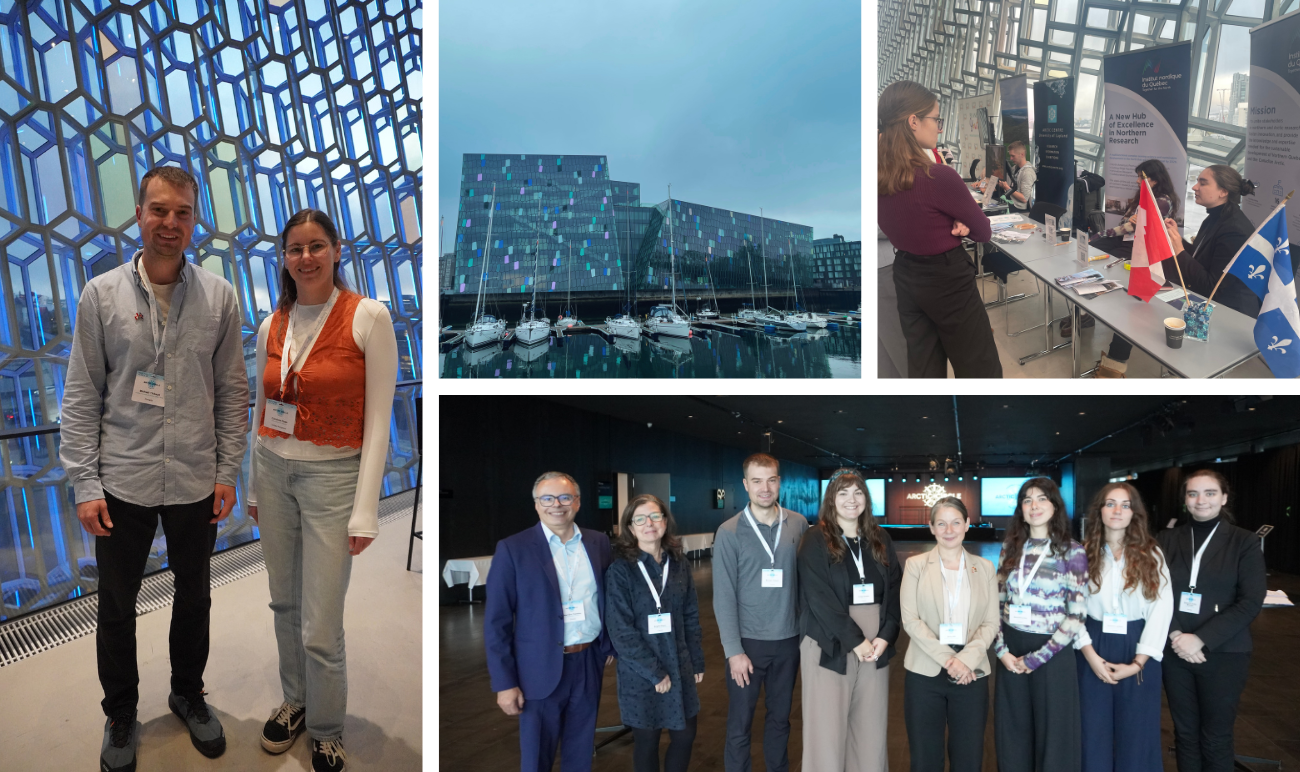
From 16 to 18 October 2025, Institut nordique du Québec (INQ) and its partners took part in the Arctic Circle Assembly (ACA) in Reykjavík, the largest international forum dedicated to the future of the Arctic regions. As it does every year, the INQ offered the finalists of the Mon projet nordique science communication competition an exceptional experience by including them in the Quebec delegation.
Institut nordique du Québec (INQ) will once again be participating in one of the largest international gatherings dedicated to northern and Arctic regions: the Arctic Circle Assembly, to be held in Reykjavik, Iceland. 1. International final of the My Northern Project competition - 2. A session on Indigenous economic governance.
Professor Faiz Ahmad Khan, pulmonologist in Nunavik and Chairholder of the INQ–McGill Northern Research Chair on Optimizing Respiratory Health Services, recently published two significant opinion pieces in major Québec media outlets addressing the ongoing rise of tuberculosis cases in Nunavik.
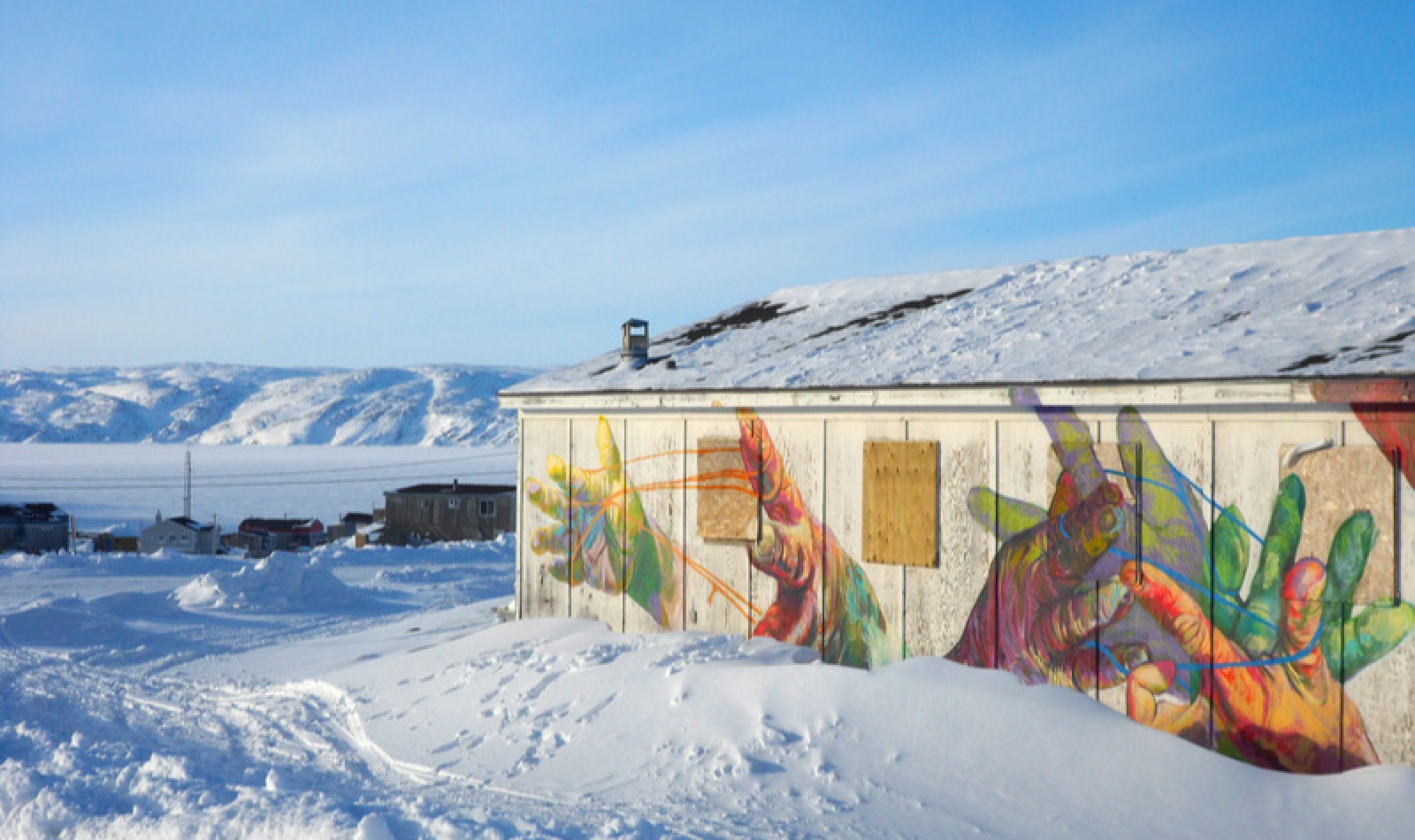
Working in the North, and particularly in Nunavik, means engaging with a unique environment shaped by specific social, cultural, and historical realities. Whether you work in health care, public safety, education, or other services—or are called upon to lead projects—it is essential to understand this context in order to collaborate effectively and build trust with Inuit communities. The online training program Histoire, culture et réalités contemporaines inuit, (12–15 hours) provides clear reference points to support daily practice:
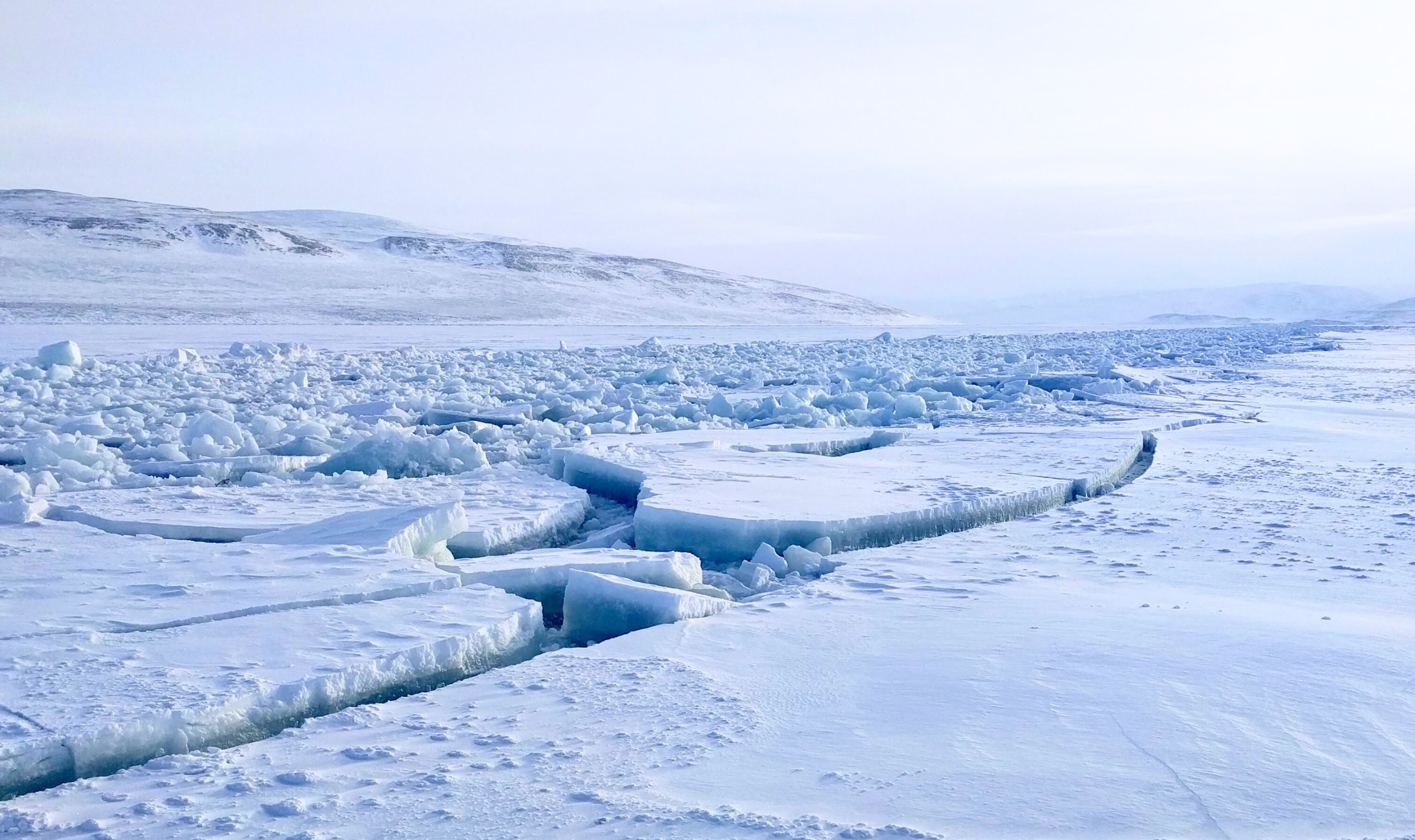
When the Inuit go fishing for Arctic char on the frozen lake, they know when and where to cast their lines to get a bite, because for centuries, they have passed down fishing sites from generation to generation. But climate change could throw a wrench in their plans by altering the physical environment of the lakes and, therefore, the char's habitat...
The call for applications is now open for the Introduction to Northern Research and Issues (IREN) training, which will take place from November 9 to 13, 2025, near Pessamit.
Our July newsletter is out! Subscribe to receive it in your inbox every month.
Check out the July 2025 newsletter.
Offered in Fall 2025 by Institut nordique du Québec, under the guidance of its Training Committee, this practical Inuktitut course is designed to introduce participants to the language and culture of the Inuit of Nunavik.
This year marks the return of the training session "Initiation to Northern Research and Issues", designed for graduate students.
As in previous editions, the 2025 organizing committee aims to bring together in November a diverse student community for three days of training featuring varied content and formats.
In the face of stress, some people become anxious or even depressed, while others are resilient. Knowing the biological mechanisms underlying this resilience could lead to the discovery of new treatments for depression. This is the line of research pursued by Caroline Ménard, a professor in the Department of Psychiatry and Neurosciences at Université Laval and a researcher affiliated with the CERVO research center at CIUSSS de la Capitale-Nationale. She tracks markers of stress resilience in the brain, blood and even the intestines.
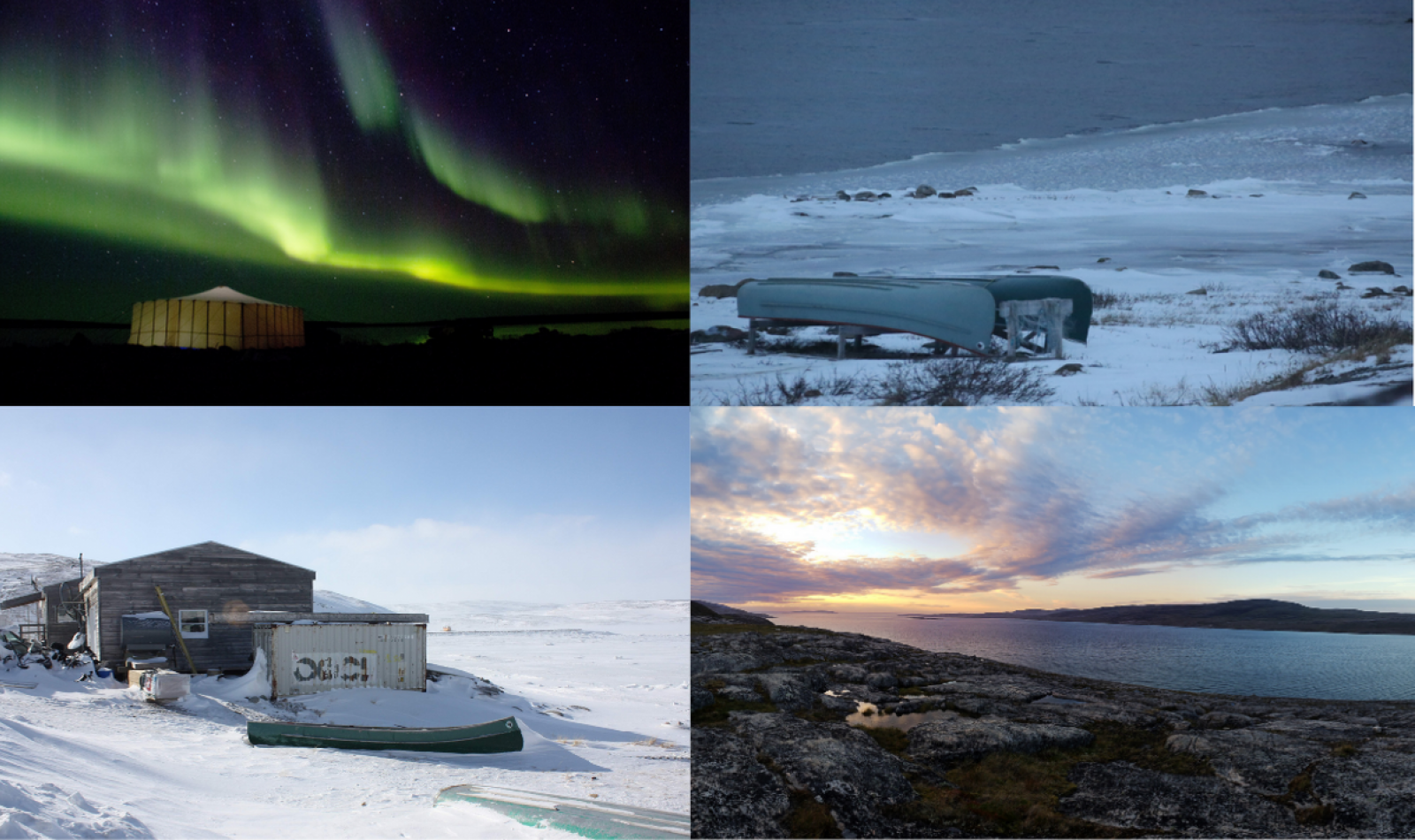
FROST is a transdisciplinary, community-embedded research initiative that brings together 16 natural scientists and social scientists from 6 Nordic countries to investigate how warming winters and changing snow cover affect Arctic lake ecosystems and the livelihoods of the communities that depend on them. Co-developed with Indigenous partners across Inuit Nunaat and Sápmi, FROST promotes equity, inclusivity, and the integration of place-based knowledge. The project compares twelve lakes across the circumpolar North, along gradients of ice and snow cover and seasonal variability.